


What Every Family Should Know About Scoliosis
A practical guide to spotting scoliosis at every age and what to do next
June is Scoliosis Awareness Month, and whether you’re a parent keeping a close eye on a growing child or an adult noticing changes in your own or a loved one’s body, this is for you.
Scoliosis affects around 3% of the population and doesn’t discriminate by age. While many cases develop during adolescence, it can also appear or worsen in adulthood. In both cases, the story is often the same: it develops gradually, quietly, and is frequently noticed by someone else first.
At Bay Area Scoliosis Center, we see this play out regularly in our practice. And we know from experience that the earlier a curve is identified, the more we can do about it.
Scoliosis in children and teenagers
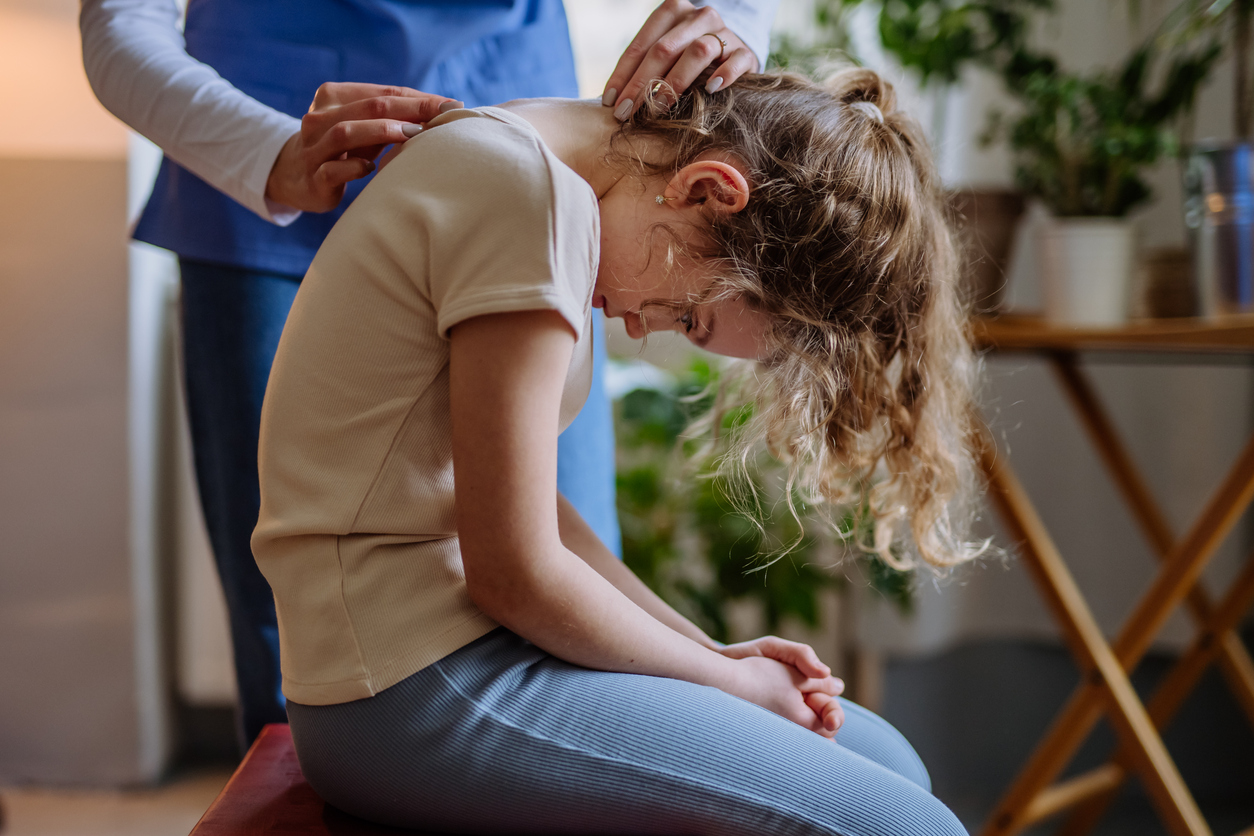
Adolescent idiopathic scoliosis is the most common form, typically developing between the ages of 10 and 15 during periods of rapid growth. It’s also among the most manageable when caught in time.
In younger children, juvenile scoliosis develops between ages 3 and 9, while infantile scoliosis can present in children under 3. Both are less common but equally important to identify early.
One of the most frequent reasons scoliosis goes undetected in children is that it often causes no pain. A developing curve can progress silently through an entire growth spurt. That’s why a simple visual check matters so much.
The next time your child is standing in front of you, take a moment to observe:
- Are their shoulders level, or does one sit higher than the other?
- Does one shoulder blade appear more prominent or raised?
- Do their hips appear even?
- Is there a visible lean or curve through the spine?
You can also try the Adam’s Forward Bend Test: ask your child to slowly bend forward with arms hanging loose, as if reaching toward their toes. A visible curve or asymmetry across the back or ribs can become more apparent in this position. If you notice something, that’s reason enough to come in.
Scoliosis in adults
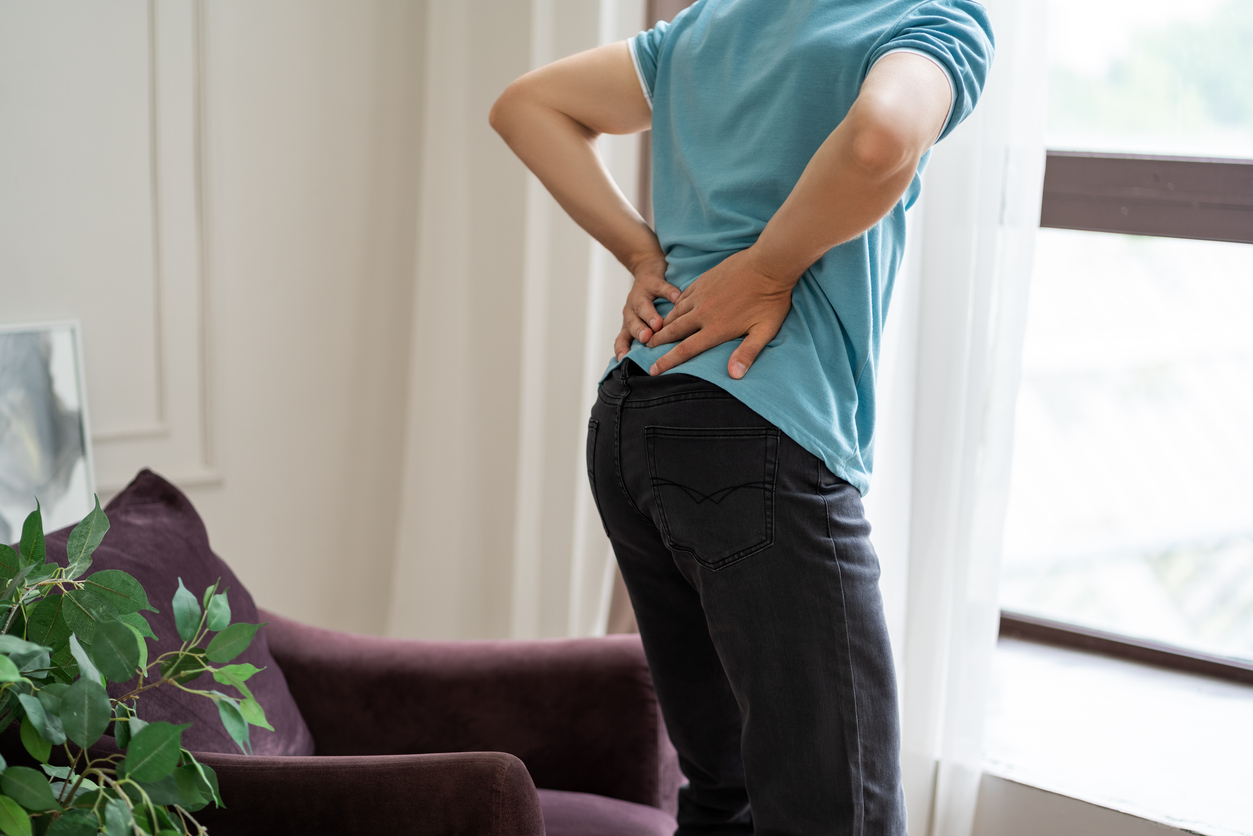
Adult scoliosis can take two forms: a curve that was present in adolescence and has gradually progressed, or a new curve that develops in adulthood often linked to spinal degeneration over time.
Adults with scoliosis often experience back pain, stiffness, fatigue, or subtle postural changes that have crept up gradually. Because these symptoms are easy to attribute to aging or lifestyle, adult scoliosis is frequently overlooked.
If you’ve noticed a change in your posture, a difference in how your clothes fit, or back discomfort you can’t quite explain, it’s worth getting assessed. And if someone close to you has mentioned a change they’ve noticed, take that seriously.
What happens after an assessment?
At Bay Area Scoliosis Center, a professional assessment is always the first step. Our team will confirm whether a curve is present, evaluate its severity, and explain what options are appropriate for your specific situation.
Treatment isn’t always necessary, but clarity always is. When non-surgical care is recommended, we offer:
- ScoliBrace® – a 100% custom, 3D-designed over-corrective brace engineered to reduce the curve, not just stabilize it
- ScoliBalance® – a scoliosis-specific exercise program that targets the muscle imbalances underlying the curve
- Chiropractic BioPhysics® (CBP®) -Our office is one of the only certified CBP® clinics in the East Bay, focused on measurable, lasting structural spinal correction
These evidence-based, non-surgical options are changing what’s possible for patients with scoliosis, especially when care begins early.
This Scoliosis Awareness Month, don’t wait and wonder
If you have a concern, for your child or for yourself, please don’t put it off. Come in. Get checked. Know what you’re dealing with. It only takes one appointment to get the clarity that makes everything else possible.
Ready to Move Forward with Confidence?
Whether you’re seeking answers for yourself or a loved one, Bay Area Scoliosis Center is here to help. If you have questions about scoliosis or would like to explore your treatment options, we’d love to discuss them during a free consultation.
Visit Us at Either of Our East Bay Locations:
- Alameda – Just over the Park Street Bridge, in the same building as Alameda Brewing and Crispian Bakery, and right next door to the legendary Alameda Natural Grocery — a foodie paradise where you can grab healthy treats after your appointment.
- Rockridge (Oakland/Berkeley border) – Upstairs from Reboot Float & Cryo Spa. Perfect for combining your visit with a relaxing float or cryo session. Reboot is the perfect place for cryotherapy or a cold plunge to supplement your treatment at Bay Area Scoliosis Center!
Book a free consultation today via our website or call us at (510) 769-0125.
Your spine deserves the best possible care. And with the right support, meaningful improvement is within reach.