

Menopause and Scoliosis: What Women Need to Know About Protecting Your Spine
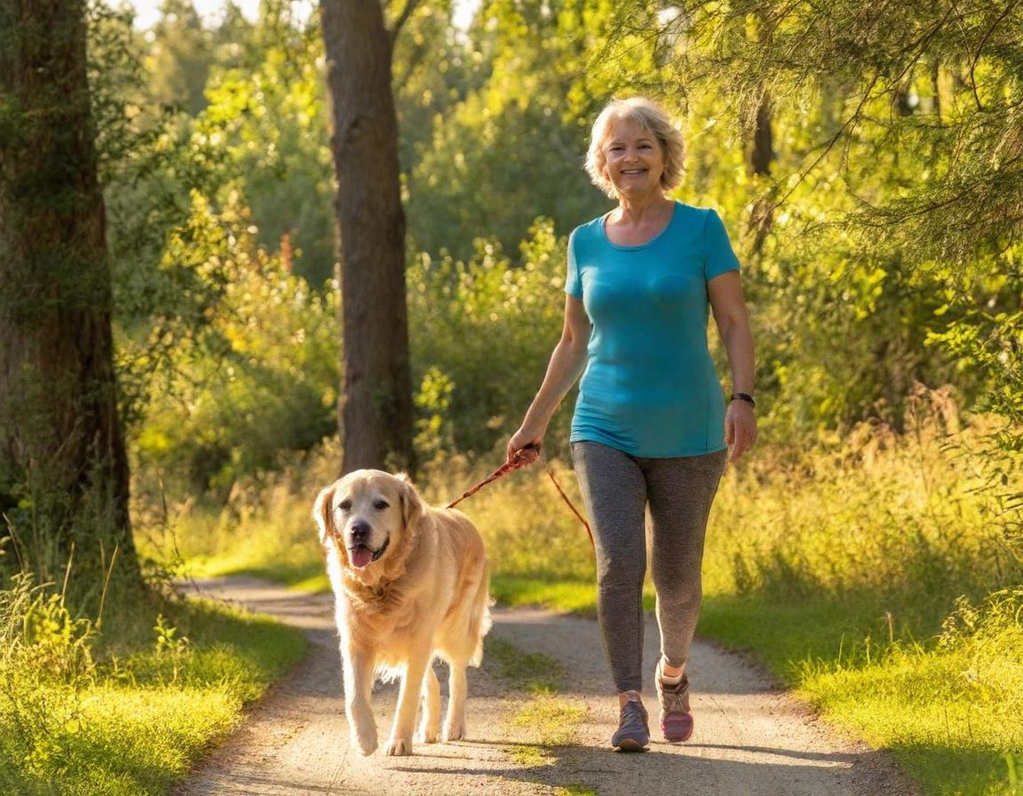
“Everything seemed to get worse during menopause. It became harder to stand for long periods and walk long distances. I just want to be able to walk the dog again or go for a hike.”
I hear this—often through tears—every week in my no-charge consultations. The story is nearly identical: pain that flared in perimenopause, a medical system that offered only pain meds, shots, or risky surgery, and the crushing line, “Spine surgery is too risky at your age.” That’s when they walk through our door in Alameda, desperate for a non-surgical path forward.
A 2021 study of 1,200+ postmenopausal women showed lumbar scoliosis prevalence jumping from 11.5 % (ages 64–68) to 39.4 % (ages 84–88). The empowering truth? Same-week evaluations, custom 3-D bracing, and lifelong management plans halt progression and reclaim the active life menopause seemed to steal.
Can menopause accelerate your scoliosis curve?
That’s a concern many women with adolescent idiopathic scoliosis (AIS) or degenerative scoliosis share as they enter this life stage. A 2021 study in the Journal of the Endocrine Society analyzed bone density scans from over 1,200 postmenopausal women, revealing that lumbar scoliosis prevalence and severity rise significantly with age—from 11.5% in those aged 64-68 to 39.4% in those 84-88—highlighting menopause as a potential tipping point for spinal changes. But here’s the empowering truth: With targeted testing, lifestyle adjustments, and proactive, evidence-based conservative care, you can safeguard your spine and thrive through menopause.
Quick Refresher: Scoliosis and the Menopause Transition
Scoliosis involves a three-dimensional curvature of the spine, often starting in adolescence (AIS) but potentially progressing or emerging anew in adulthood. Women are disproportionately affected, and menopause—marked by a natural decline in estrogen around age 45-55—adds unique challenges. Estrogen plays a key role in maintaining bone density and spinal stability. When levels drop, bone resorption outpaces formation, increasing osteoporosis risk and potentially worsening spinal curves or triggering degenerative scoliosis. This hormonal shift can make the spine more vulnerable to asymmetry, pain, and progression, especially in the lumbar region.
How Menopause Impacts Scoliosis: Insights from Research
Recent research underscores the link between menopausal hormonal changes and spinal health. Up to 20% of bone density can be lost rapidly during perimenopause and early postmenopause, weakening vertebrae and accelerating curve progression in women with pre-existing scoliosis. A 2023 review in Frontiers in Physiology emphasized that reduced estrogen levels contribute to this deterioration, with estrogen deficiency directly linked to vertebral fragility, intervertebral disc degeneration, and scoliosis reactivation in a subset of women post-menopause.
Degenerative scoliosis, often “de novo” (new-onset in adults), frequently begins around menopause due to disc degeneration and facet joint changes compounded by bone loss. Longitudinal data from the 2021 study showed curves progressing by about 0.7° per year in older women, independent of osteoporosis severity—meaning even those without full-blown osteoporosis face risks. Back pain, posture shifts, and reduced mobility are common complaints, but these changes are often manageable with early intervention. Studies indicate that up to 30% of adults over 50 may develop degenerative scoliosis without proactive measures.
Interestingly, hormone replacement therapy (HRT) shows promise in mitigating early degenerative signs. A 2012 study in European Spine Journal found that women on HRT for over a year had a 73% lower risk of lateral rotatory olisthesis (LRO)—an early precursor to degenerative scoliosis—compared to non-users, suggesting HRT could stabilize the spine by preserving bone and joint integrity.
Proactive Strategies: Safeguarding Your Spine During Menopause
The good news? You don’t have to wait for symptoms to act. Research and clinical guidelines emphasize prevention through monitoring and lifestyle tweaks. Here’s how to protect your spine:
- Test Hormone and Bone Health Regularly: Start with a dual-energy X-ray absorptiometry (DXA) scan for bone mineral density, plus saliva or blood tests for estrogen, progesterone, and FSH levels. These baselines help detect imbalances early and guide treatments like HRT if appropriate.
- Address Nutrient Needs: Boost intake of calcium (1,200 mg/day), vitamin D (800-2,000 IU/day), and vitamin K2 to enhance bone absorption and strength. Supplements like those combining D3 and K2 can counteract menopausal bone loss—consult your doctor for personalized dosing. We like Designs for Health and can customize a prescription for you!
- Incorporate Preventive Exercise: Weight-bearing activities (walking, hiking) and scoliosis-specific exercises (e.g., Schroth method, PSSE, or Pilates) build core strength, improve posture, and halt progression. Aim for 30 minutes daily, focusing on low-impact options like swimming or yoga to avoid strain. Our ScolBalance® program complements these with targeted postural training.
- Monitor and Consult Specialists: Annual spinal X-rays or check-ins with a scoliosis expert can track curve changes. In the Bay Area, the Bay Area Scoliosis Center offers tailored plans integrating #SpineHealth, #HormonalBalance, and #BoneHealth strategies, including a custom ScoliBrace® designed to gently correct curves without surgery.
How the Bay Area Scoliosis Center Can Help
Navigating scoliosis during menopause doesn’t have to be overwhelming—especially when you have a dedicated partner like the Bay Area Scoliosis Center. We serve local Bay Area patients and welcome those traveling from afar for our intensive 1-2 week treatment programs, designed to maximize progress in a short, focused period. Our commitment to evidence-based conservative care means we integrate the latest research with personalized strategies to address hormonal shifts, bone health, and spinal stability. Here’s how we can support you:
- Custom ScoliBrace® Orthotics: This advanced 3-D brace provides three-dimensional correction tailored to your curve, helping to reduce pain and slow progression. Research shows bracing in adults with scoliosis can lead to modest to significant pain reduction and functional improvements, with studies also noting slowed progression rates. We fit these braces precisely to complement menopausal bone health efforts.
- ScoliBalance® Postural Training: Drawing on Chiropractic BioPhysics™ (CBP®) principles, this program focuses on mirror-image exercises blended with the best of the Schroth method to realign your spine, improve posture, and enhance overall balance. Clinical outcomes from CBP® treatments in adults demonstrate curve reductions, decreased pain, and better quality of life, making it ideal for degenerative changes during menopause.
- Schroth Method and PSSE Integration: Our certified therapists guide you through scoliosis-specific exercises that elongate the spine, correct asymmetries, and strengthen core muscles. For adults with degenerative scoliosis, the Schroth method has been shown to halt progression, reduce pain, and improve mobility—key during estrogen-driven vulnerabilities. These are woven into intensive sessions for lasting results.
- Holistic, Multidisciplinary Care: We collaborate with women’s health specialists to monitor hormone levels and bone density alongside spinal metrics. Our plans emphasize non-invasive, surgery-free options, ensuring you maintain an active lifestyle without compromise.
Whether you’re in the Bay Area or planning a treatment visit, contact us for a comprehensive evaluation. Our patients often report reduced pain and renewed confidence—empowering you to embrace menopause with a stronger, more aligned spine.
Key Takeaways
- Menopause-related estrogen decline can accelerate bone loss and scoliosis progression, but it’s not inevitable—up to 30% of postmenopausal women may develop degenerative curves without intervention.
- Bone density scans, X-Rays and hormone testing provide crucial early detection, allowing for timely adjustments.
- Nutrient-rich diets, targeted supplements, and exercise like weight-bearing activities, Schroth therapy, or PSSE strengthen bones and stabilize the spine.
- HRT may reduce risks of early degenerative changes, offering a protective edge for many women.
- Regular monitoring ensures small changes don’t become big problems, supporting #EarlyDetection and #PreventScoliosis efforts.
Why This Matters
Menopause is a powerful transition, but it doesn’t have to compromise your spinal health or confidence. Armed with research-backed strategies and conservative treatments like those at Bay Area Scoliosis Center, women with scoliosis can maintain strength, reduce pain, and embrace an active #HealthyLifestyle. If you’re navigating perimenopause or beyond, partner with your healthcare team—endocrinologist, orthopedist, and a scoliosis specialist—for a customized plan. We welcome Bay Area locals and out-of-town patients for our intensive programs. Proactive steps today pave the way for vitality tomorrow. You’re not just managing scoliosis; you’re owning your well-being. Stay strong! 👍
References
- Kataoka H, et al. “Lumbar Scoliosis in Postmenopausal Women Increases with Age but is not Associated with Osteoporosis.” Journal of the Endocrine Society. 2021;5(5):bvab018. DOI: 10.1210/jendso/bvab018. PubMed Link: https://pubmed.ncbi.nlm.nih.gov/33855252/
- Marty-Poumarat C, Ostertag A, Baudoin C, Marpeau M, de Vernejoul MC, Cohen-Solal M. “Does hormone replacement therapy prevent lateral rotatory spondylolisthesis in postmenopausal women?” European Spine Journal. 2012 Jun;21(6):1127-34. doi: 10.1007/s00586-011-2048-3. Epub 2011 Oct 28. PMID: 22033571; PMCID: PMC3366144. PubMed Link: https://pubmed.ncbi.nlm.nih.gov/22033571/
- Hart, D. A. (2023). Sex differences in musculoskeletal injury and disease risks across the lifespan: Are there unique subsets of females at higher risk than males for these conditions at distinct stages of the life cycle? Frontiers in Physiology, 14, 1127689. https://doi.org/10.3389/fphys.2023.1127689
- Recker, R., et al. “Bone and the Perimenopause.” Osteoporosis International. 2009;20(3):355-364. DOI: 10.1007/s00198-008-0786-2. PMC Link: https://pmc.ncbi.nlm.nih.gov/articles/PMC3920744/
- Adult Degenerative Scoliosis. PM&R KnowledgeNow. Updated April 24, 2025. Available at: https://now.aapmr.org/scoliosis/ (For prevalence in adults over 50.)
- Wong, A.Y.L., et al. “A systematic literature review of spinal brace/orthosis treatment for adults with scoliosis.” Spine Journal. 2020. PubMed Link: https://pubmed.ncbi.nlm.nih.gov/32035480/
- Harrison, D.E., et al. “The reduction of high thoracic scoliosis in adults by mirror image® approach scoliosis specific chiropractic bioPhysics® adjustments and traction: a case series.” Journal of Physical Therapy Science. 2022. PubMed Link: https://pubmed.ncbi.nlm.nih.gov/35698559/
- Berdishevsky, H., et al. “Adult Scoliosis | Degenerative Scoliosis | De Novo Scoliosis.” Scoliosis 3DC. Available at: https://scoliosis3dc.com/who-we-treat/adult-scoliosis-patients/